Define the component
Name the trim, garment application, material options, color, finish and attachment method. Note whether the requirement applies to a finished item or one raw material.
Discuss buyer-specific material, chemical, testing, audit, and documentation requirements for each product and destination market.
Buttons, zippers, webbing, patches and metal trims can have different materials, coatings and supply-chain records. A useful review starts with the exact component and the buyer's written standard, then identifies what evidence is needed before sampling or production.
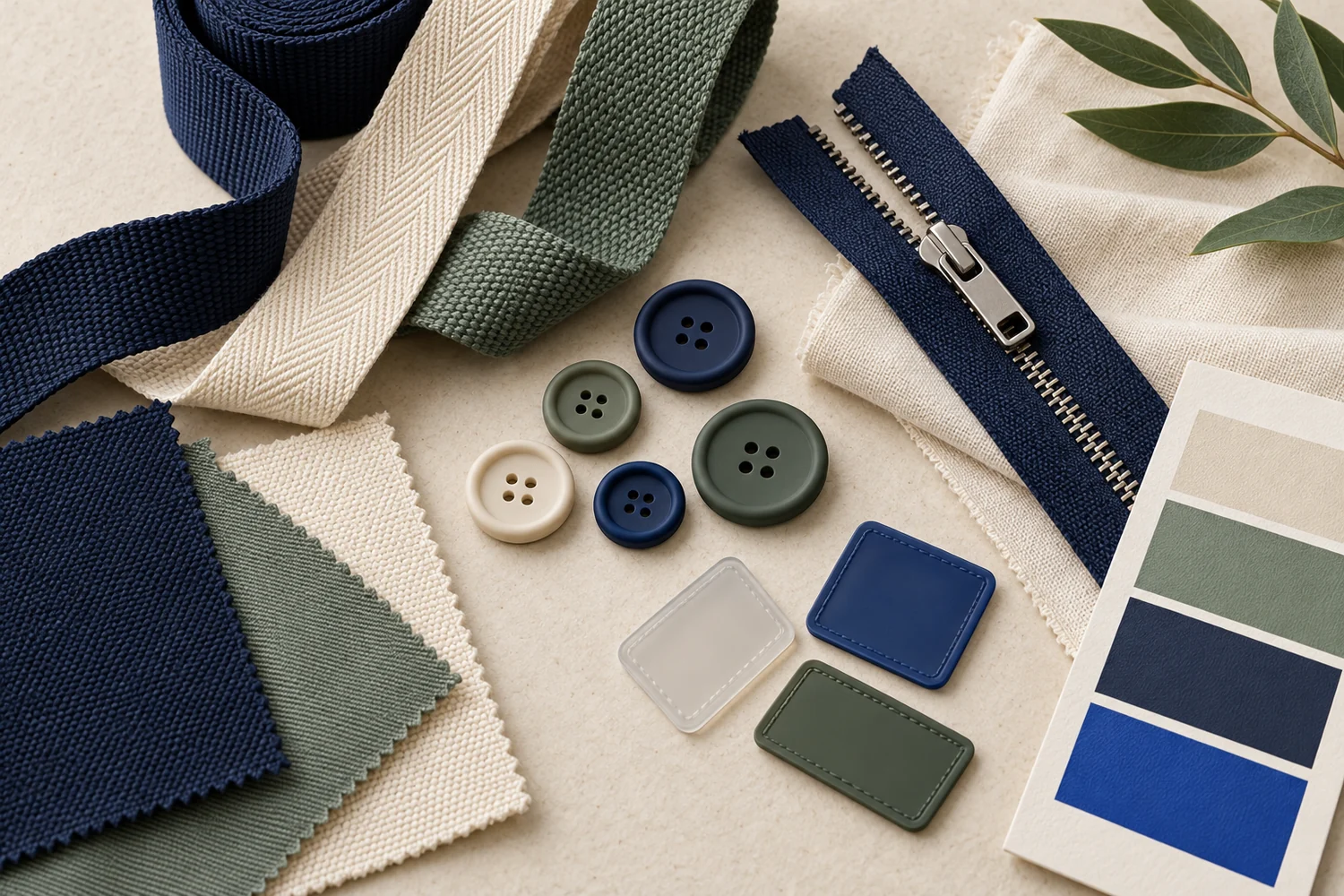
Agree on scope early so samples, checks and documents can be evaluated against the same requirements.
Name the trim, garment application, material options, color, finish and attachment method. Note whether the requirement applies to a finished item or one raw material.
Share the destination market and the exact buyer RSL, restricted-substance list, testing protocol or customer manual. Similar sounding standards may cover different scopes.
Specify the document type, issuing party, product or material covered, validity period and whether a sample, declaration or third-party report is required.
Review the approved specification, sample and evidence scope together. Record open items before placing the bulk order or changing a material or finish.
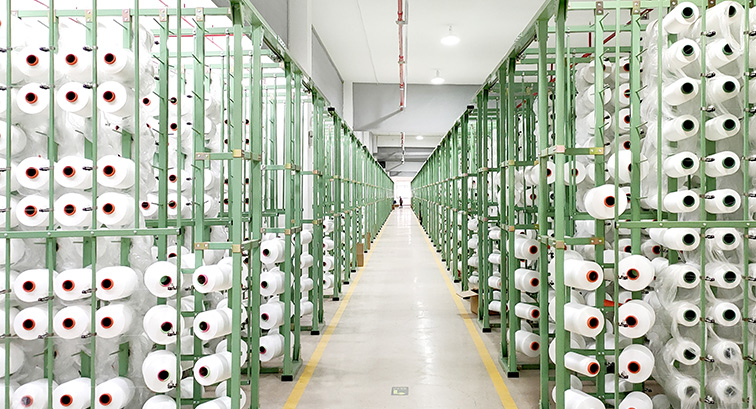
For each option, buyers can ask what the component is made from, which layers or coatings are included, and whether the requested content claim applies to the yarn, resin, metal, finish or complete component.
Identify base material, blends, recycled-content target where applicable, and any material declaration required by the buyer.
Specify dyeing, plating, coating, printing or surface treatment requirements and the acceptance method for appearance or color.
Describe exposure, washing, abrasion and attachment conditions so durability checks match the product's intended use.
Small components can affect whether a garment is easy to maintain, repair or separate. During development, teams can compare practical options before a construction is locked in.
A concise brief lets the team identify the right material questions and document checks.
Share the current list, product type, destination market and requested evidence. The requirements can then be reviewed for the specific material and component; no blanket compliance claim is made for every product.
State the material, target content and chain-of-custody evidence your program requires. Any available documentation must be checked for the named material, supplier, product and order scope before it is presented as applicable.
Include it in the first project brief. Agree on sample condition, method, acceptance limits and report scope before sampling or production so the evidence answers the buyer's actual question.
We supply zippers, buttons, metal trims, and selected plastic components for apparel, bags, and outdoor products projects.
Tell us the product, intended use, quantity, reference, and delivery market so we can review your request.
Use the form to share your specifications, or contact our team by phone or email.