
Apparel Trim Trends
Apparel Trim Trends: Texture, Function and Repairability
Apparel details are small in area but carry a large share of product identity and user experience. For sourcing teams, a trend is useful only when translated into a component brief: what the trim should look like, how it must work, how it attaches and what evidence the program requires. Treat editorial trend signals as design prompts, then validate choices against your own category, customer and product trials.
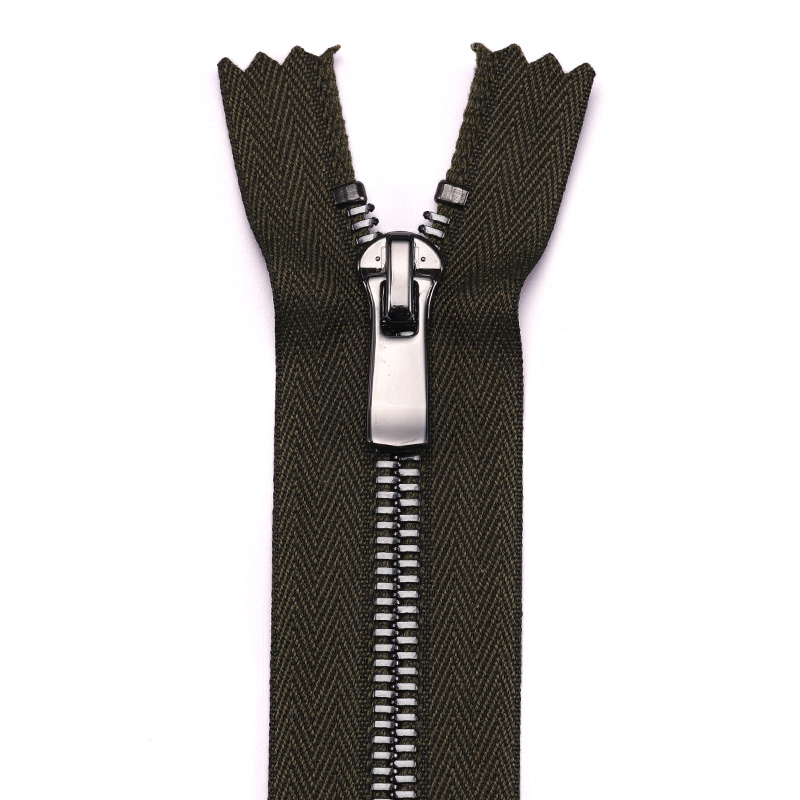
Start with the job the component performs
Before choosing a finish or color, write down the function. A zipper must open reliably and sit comfortably in the garment construction. A lace must pass through its eyelets and remain appropriate for the intended use. A badge or metal detail must attach securely without creating an edge that catches or interferes with the upper. If the function is unclear, visual approval alone cannot close the specification.
Translate the job into observable requirements. Note location, contact surfaces, movement, exposure to abrasion or moisture and expected user interaction. These details help the buyer decide which sample checks matter. They also replace vague language such as “premium quality” with dimensions, material choices or inspection points that can be reviewed together.
Texture is a design tool, not a material claim
Surface contrast can make apparel feel technical, outdoor-oriented, polished or understated. Compare matte and glossy finishes, woven and smooth surfaces, brushed metal against polished hardware, or raised emblems against flat marks. Review each choice at the actual component size and alongside the upper material; a close-up can look different when scaled down and installed.
A visual texture does not prove that a component is recycled, bio-based, low-impact or compliant. For a sustainability statement, request composition and chain-of-custody evidence for the actual item and lot. Keep phrases such as “recycled-look texture” separate from factual claims about recycled content so marketing, sourcing and compliance teams work from the same evidence.
Color and finish need a shared reference
A screen image is a starting point, not a universal color standard. Lighting, display settings, substrate, coating and surface texture affect appearance. For a critical match, identify the intended reference system or provide a physical master, then agree how the sample will be reviewed. State whether the target applies to lace, tape, zipper tape, slider, badge or coating.
Record the approved color and finish against the sample revision. Include an item code, date and material where repeatability matters. If a visual range is acceptable, write the comparison method into the specification. A later batch can then be compared with the same reference instead of an old phone photo or unlabelled swatch.
Design with attachment and repair in mind
A trim can be attractive and still create a weak point if attachment conflicts with the upper construction. Review stitch paths, bonding area, backing, edge geometry and clearance. For a replaceable part, ask whether it can be removed without damaging the surrounding material. This makes the design question visible while options are still open.
The European Commission’s textiles strategy promotes longer-lasting, repairable and recyclable textile products as a policy direction. Buyers can use this as a prompt to examine durability and repair, while checking rules that apply to their product and market. The strategy is not a certification for a trim supplier; component-level material evidence still needs to be reviewed separately.
Choose a sample sequence that answers questions
A first sample should answer a defined question: appearance, size, attachment, movement or color. A development sample can expose changes needed before pre-production approval. Keep stages distinct and record their purpose; otherwise a sample signed off for color may be mistaken for approval of fit, function or compliance.
For an apparel trial, consider placing the component on the intended upper or a representative material stack. A loose part may not reveal behavior next to stitching, foam, lining or a curved panel. If an installed trial is outside the sample scope, record that limit and define which checks remain with the apparel maker.
Use trend signals carefully
Trade publications can suggest where designers are exploring tactile finishes, functional detail or modular construction. Treat these as creative prompts, then validate them against the brand’s own customer, price point and category. One editorial feature cannot establish a global demand forecast or prove that a trend will perform commercially in every region.
PPAI’s 2026 feature discusses texture in promotional products; it may inspire thought about surface feel but is not apparel sales data. HKTDC’s fashion material offers directional context, not a specification for a garment. Buyer research, prototype trials and customer feedback remain the basis for a product decision.
Turn a trend into a supplier brief
For each candidate detail, record design intent, location, reference image, material or finish, dimensions, attachment, sample stage, target quantity and destination. Add evidence requirements such as a named test method or material declaration. This turns a mood-board idea into an RFQ that a supplier can assess and quote.
Limit early options to two or three distinct constructions that address the brief. Compare them on appearance, fit, function, MOQ, tooling and evidence. This gives designers useful choice without creating an unfocused sampling cycle. Ask the supplier to call out assumptions instead of silently filling in missing details.
Approve with the next production step in mind
Ask whether the component uses an existing construction or needs tooling; what artwork and dimensions are required; which attachment or surface issues need a trial; and what each sample stage will demonstrate. Confirm any cost or timing assumptions that depend on buyer approval. This helps the team spot an unpriced tool or incomplete fit check before a launch date is committed.
Before bulk approval, confirm sample revision, color reference, construction, dimensions, attachment notes, packing and inspection scope. Ask which material or compliance claims have supporting documents for the exact product. These checks create a common record for design, sourcing, supplier and apparel factory without pretending to eliminate all production risk.
Discuss an apparel trim project
Attach a drawing or reference image, identify application, quantity and destination, and list required tests or documents. Product availability and terms are confirmed against the specific brief.
Send a project inquiry →